Sensor Versions
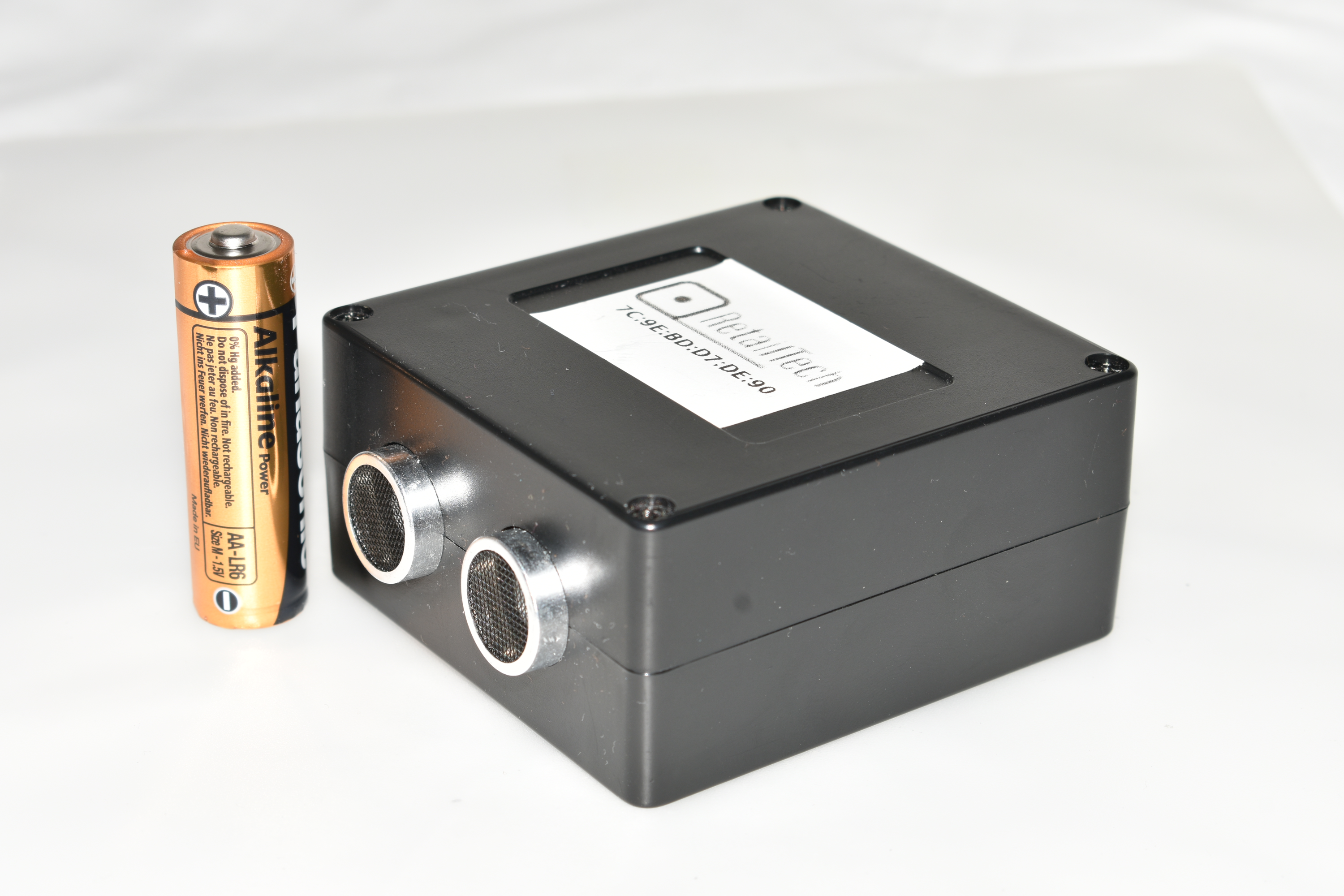
Original Sensor
This is the original sensor from when I first arrived at Retailtech.
- A cost-effective solution based on the HC-SR04 ultrasonic distance sensor and ESP32 for WiFi connectivity.
- It was equipped with a buzzer, green and red LEDs, and two buttons.
- Unfortunately, it was too bulky, had a cumbersome setup procedure, and had lower performance with distances over 2 m to the target.
- I was in charge of modifying the existing firmware and creating a dashboard on the web.
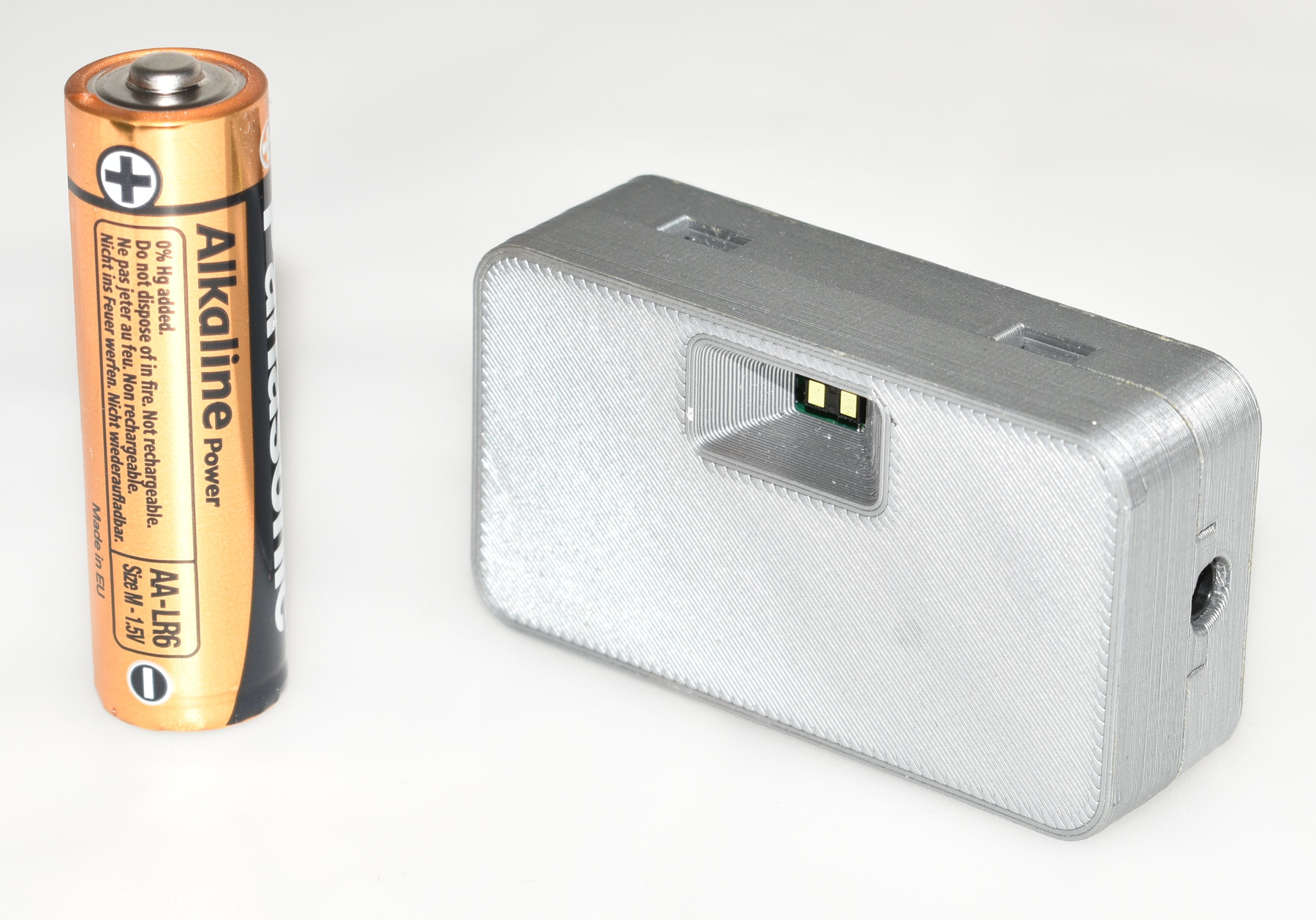
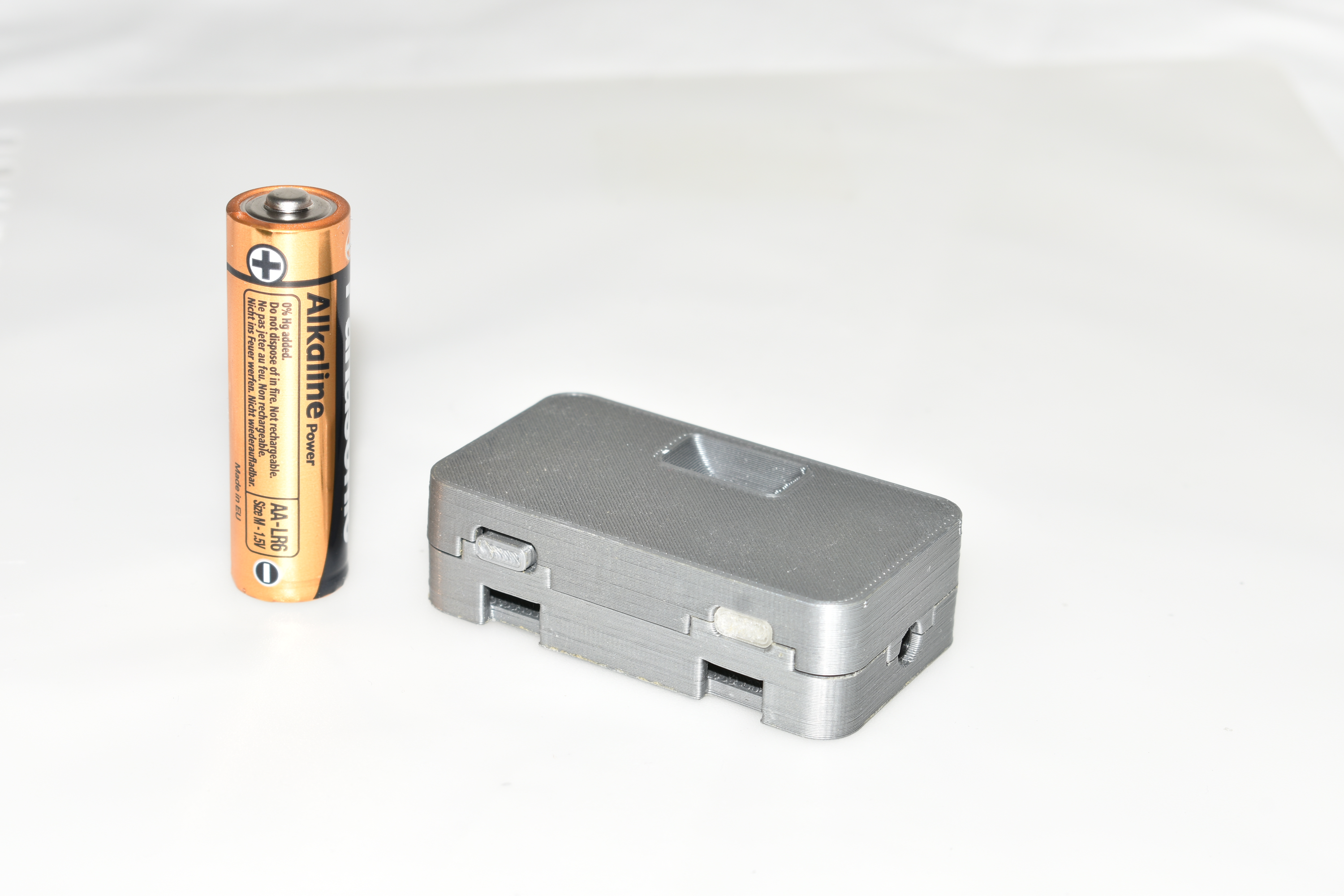
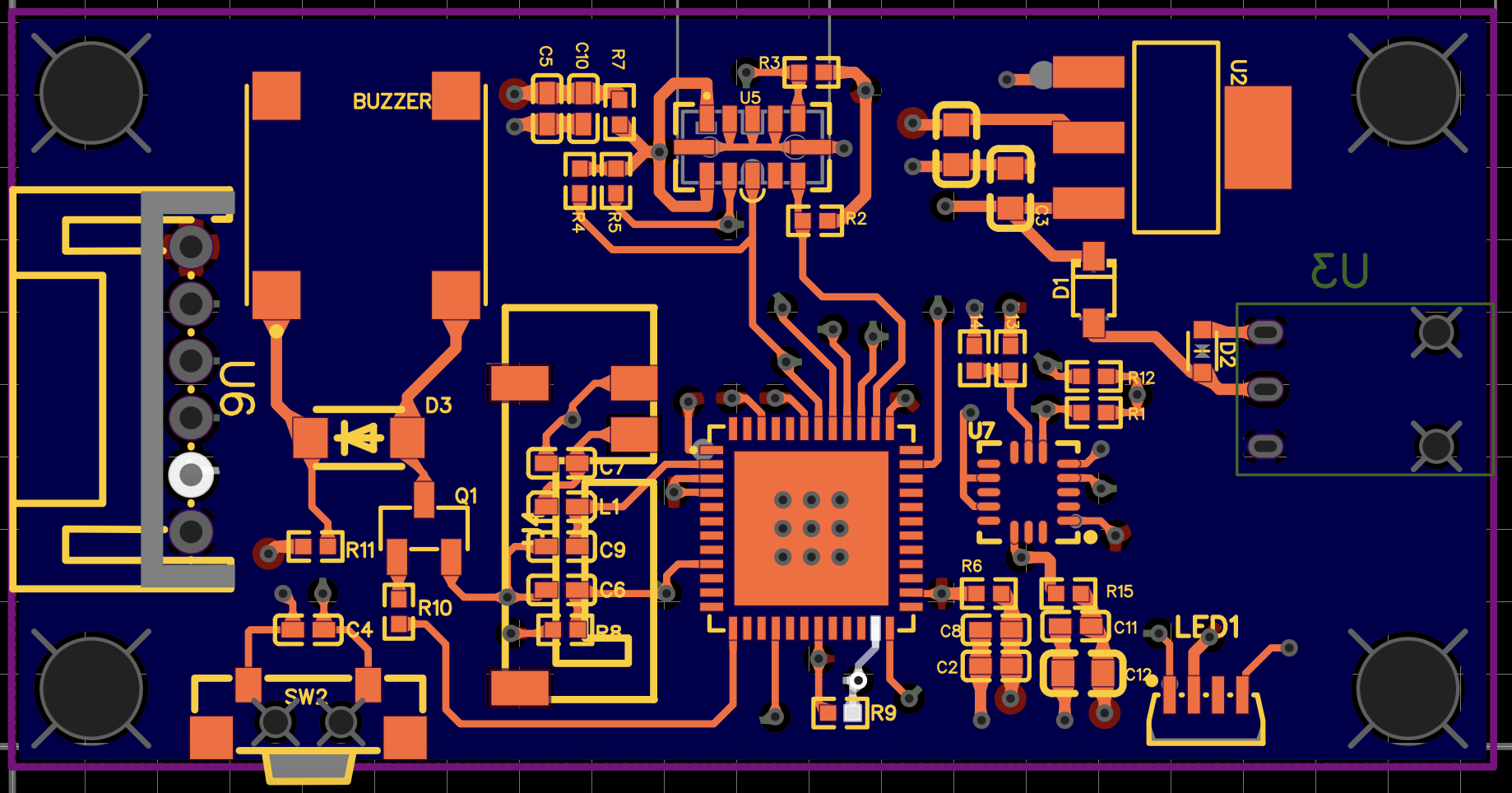
Prototype 2 — Infrared Time-of-Flight (ToF) Sensor
An upgraded version of the previous sensor that I developed.
- I was responsible for developing the electronics and firmware.
- Enhanced performance and accuracy by around 2–5× with a smaller size for easier installation.
- Equipped with a VL53L1X ToF sensor, a smaller buzzer, an RGB LED, and one button.
- Designed the enclosure with functionality and manufacturing in mind for easy assembly.
- Allowed the sensor to be placed near the price tag, which is a great location for collecting readings.
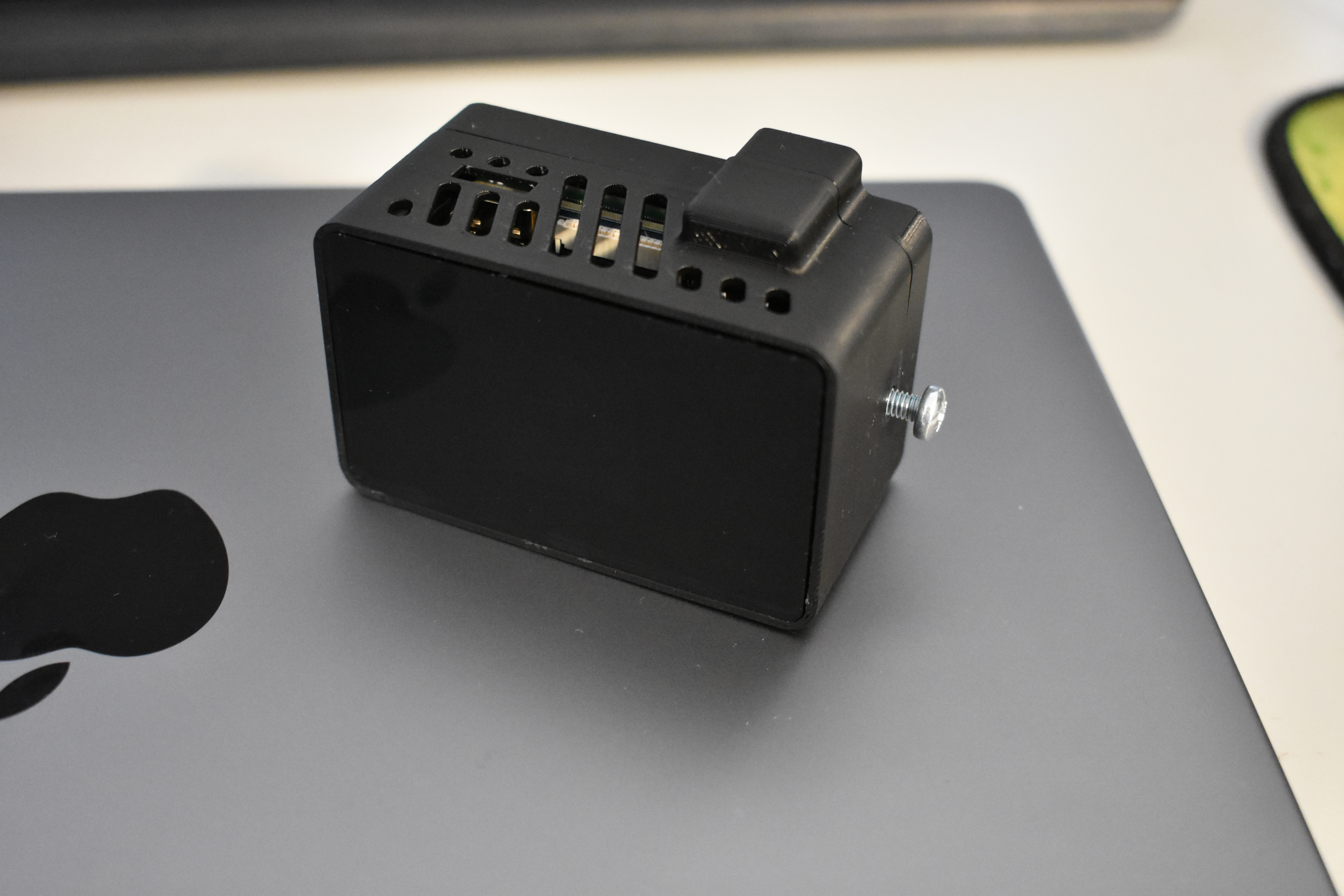
Prototype 3 — AI Camera Based on Raspberry Pi
A camera sensor made by our partners, connected using WiFi.
- I was in charge of updating the firmware.
- Raspberry Pi Compute Module 4–based design.
- Used proprietary AI software to detect person presence and movement.
- The design allowed easy placement of the sensor at the retail spot.
- Later, I rewrote it to use an open-source YOLO model to detect people, hands, and faces.
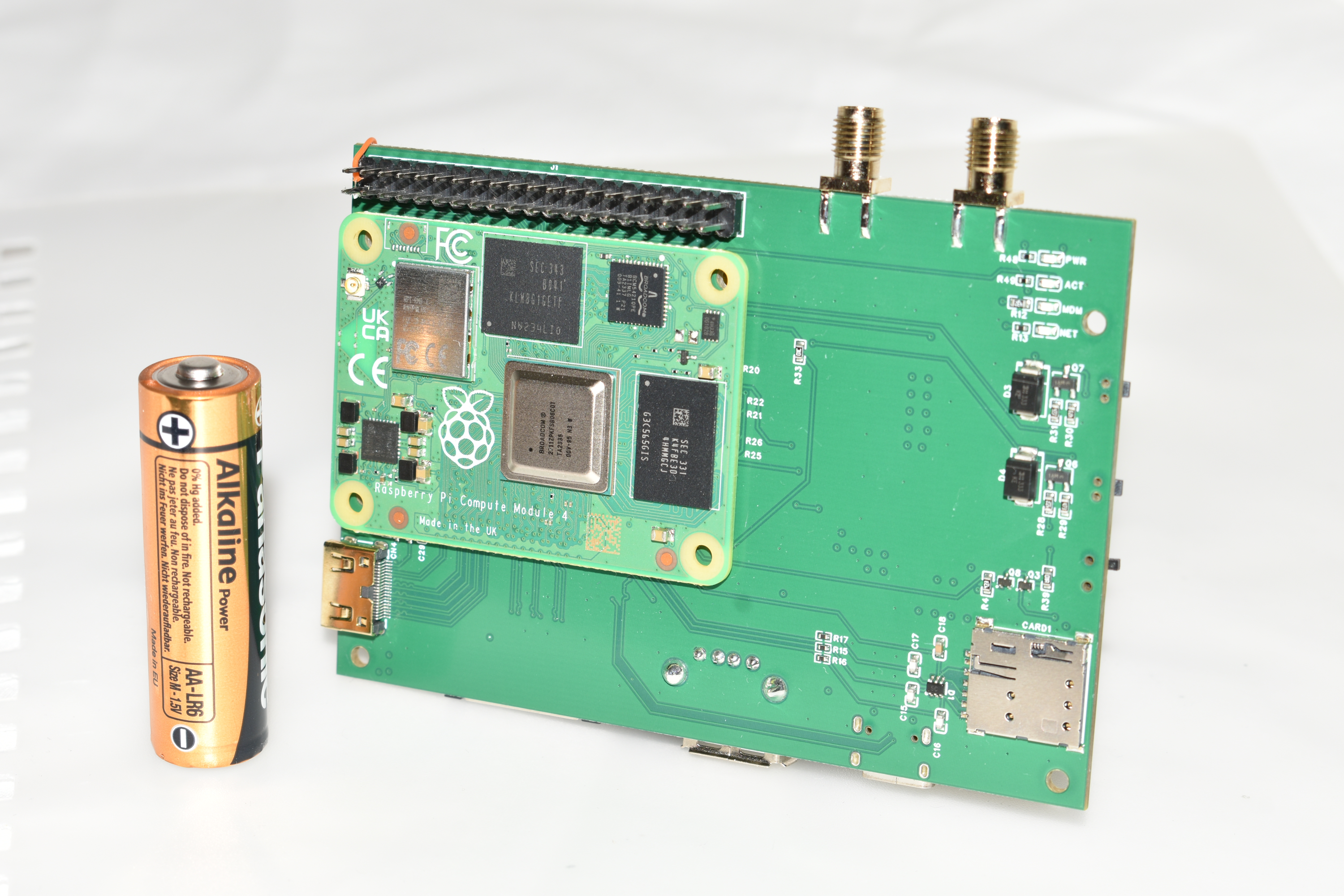
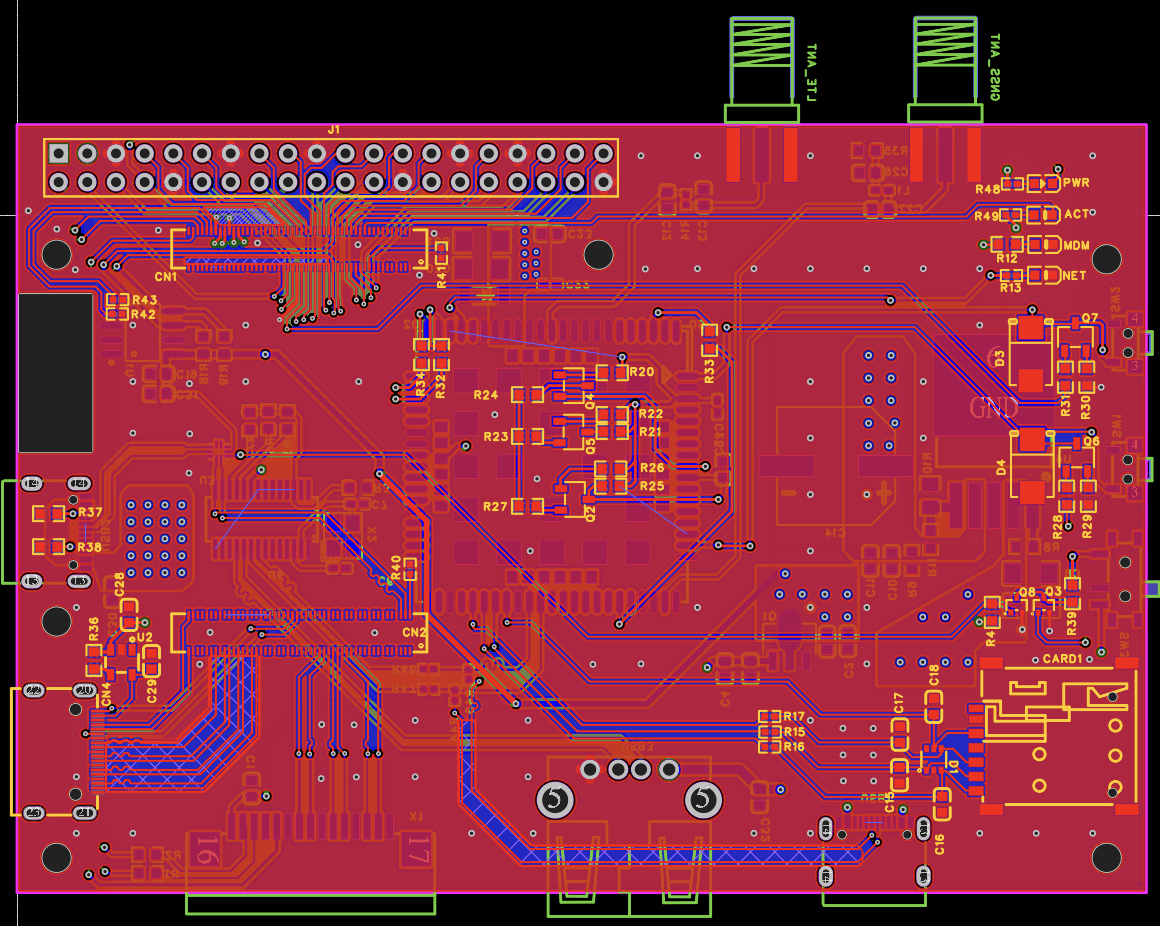
Prototype 4 — Final and Unfinished Prototype Based on Raspberry Pi with CAT-M 4G Connectivity
- I was responsible for developing the electronic design and firmware.
- Updated design made for installation in coolers for customers.
- Based on customer requests, sensors were equipped with a 4G module and SIM cards for better connectivity.
- Had camera port, HDMI, USB, CAT-M, GPIO, and optional GNSS for outdoor use.